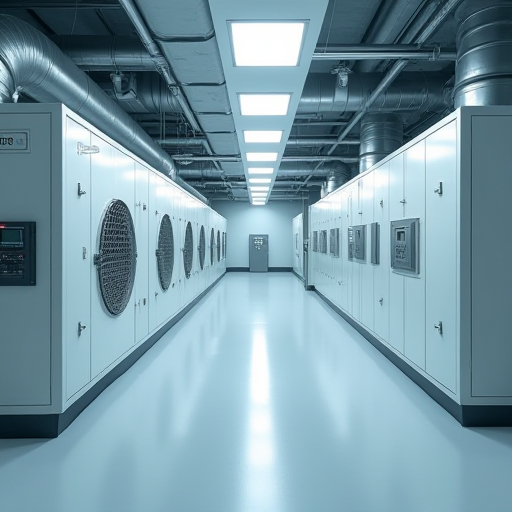



How is a Central Ventilation System Maintained?
Maintaining a mechanical air-handling network requires disciplined scheduling, precise diagnostic measurements, and proactive component replacement. Understanding how is a central ventilation system maintained ensures consistent indoor air quality, optimal energy consumption, and extended equipment lifespan across residential and commercial facilities.

Direct Answer: Core Maintenance Workflow
Central ventilation systems are maintained through a structured quarterly inspection cycle that prioritizes filter replacement, static pressure verification, coil cleaning, and motor calibration. Technicians measure airflow using anemometers, check belt tension with a deflection gauge, and seal duct leaks with mastic or UL-181 tape. Preventive maintenance prevents moisture accumulation, reduces blower strain, and maintains design ventilation rates without overworking the HVAC plant.
Core Components and Inspection Routines
A central ventilation system relies on supply and return networks, air-handling units, filtration media, and exhaust terminals. Quarterly inspections begin with visual checks of access panels, drain pans, and insulation integrity. Technicians verify that dampers operate smoothly and that fire/smoke dampers remain unobstructed. In older buildings with galvanized steel ducts, condensation can accelerate corrosion near thermal bridges. When moisture droplets appear on supply lines or return grilles, inspect the vapor barrier and increase dehumidification setpoints during shoulder seasons.

Filter Replacement and Airflow Management
Filtration media directly dictates static pressure and particulate removal efficiency. High-efficiency filters (MERV 13 or higher) capture fine allergens but require stricter airflow management. Always verify the manufacturer’s maximum static pressure limit before upgrading filter grades; exceeding it starves the blower motor and triggers thermal overload protection.
Replace filters when differential pressure across the media reaches 0.5 inches water column (in. w.c.) or at manufacturer-recommended intervals, whichever comes first. Document each change in a maintenance log with date, filter rating, and baseline airflow readings. If airflow drops below 85% of design CFM after replacement, inspect for blocked return grilles, collapsed flex ducts, or misaligned dampers. Clean supply diffusers quarterly to remove dust buildup that disrupts laminar flow patterns.
Ductwork Sealing and Coil Cleaning
Leaky ductwork silently wastes conditioned air and compromises pressure balance. Use smoke pencils or ultrasonic leak detectors to locate gaps at seams, flanges, and register boots. Seal all penetrations with UL-181 rated mastic or metal-backed tape; avoid standard cloth duct tape, which degrades within months under thermal cycling.
Evaporator and condenser coils accumulate dust, lint, and biological films that insulate heat exchange surfaces. Clean coils annually using a low-pressure spray nozzle and pH-neutral coil cleaner. Never use high-pressure water, which bends fins and forces debris deeper into the matrix. Rinse thoroughly and allow complete drying before reactivating the system. In humid climates, apply an antimicrobial coating to drain pans to inhibit algae and mold colonization.

Fan Motor Calibration and Belt Tensioning
Motors drive ventilation performance, but misalignment and improper tension accelerate bearing wear. Check V-belt deflection using a spring scale; ideal tension typically falls between 1/64 inch per inch of span length. Replace belts when fraying, glazing, or cracking appears, and always match pitch and length specifications.
Calibrate motor speed drives by measuring amperage draw against nameplate ratings. Overcurrent indicates binding bearings or obstructed impellers; undercurrent suggests slippage or incorrect voltage. Lubricate sealed bearings only if the manufacturer specifies oil ports; most modern motors are permanently lubricated and require housing replacement instead. Verify that variable frequency drives (VFDs) maintain smooth acceleration curves without harmonic distortion that damages insulation.
Seasonal Adjustments and Performance Monitoring
Ventilation loads shift dramatically with outdoor temperature and humidity extremes. Transition airflow setpoints seasonally to balance fresh air intake with energy recovery unit efficiency. During winter, reduce outside air dampers slightly to prevent coil freeze-ups while maintaining minimum ASHRAE 62.1 ventilation rates. In summer, prioritize exhaust fan operation in kitchens and bathrooms to remove latent heat before it enters the return plenum.
Install differential pressure sensors across filters and coils to automate maintenance alerts. Track monthly energy consumption per CFM delivered; a gradual increase signals fouled heat exchangers or degraded insulation. Perform end-of-year thermal imaging surveys to identify hidden moisture paths, compressed duct sections, and failing motor mounts before they cause unplanned downtime.

Frequently Asked Questions
How often should central ventilation filters be replaced?
Filters typically require replacement every 1 to 3 months depending on MERV rating, occupancy density, and local particulate load. Monitor differential pressure rather than relying solely on calendar dates.
What indicates a failing ventilation blower motor?
Unusual grinding noises, inconsistent airflow, excessive vibration, or tripped thermal overload relays signal bearing wear, misalignment, or electrical degradation requiring immediate inspection.
Can I seal duct leaks myself?
Minor accessible seams can be sealed with mastic tape, but main trunk lines and fire-rated penetrations should be handled by licensed HVAC technicians to maintain code compliance and pressure balance.
Why does my system feel weaker in winter despite normal airflow readings?
Cold air is denser and increases friction loss. Verify that damper actuators open fully during heating cycles and that return grilles are unobstructed by furniture or rugs disrupting negative pressure zones.
Final Maintenance Summary
- Replace filtration media when differential pressure reaches 0.5 in. w.c. or per manufacturer schedule
- Seal duct leaks with UL-181 mastic to restore static pressure and prevent energy waste
- Clean coils annually using low-pressure solutions and protect drain pans from biological growth
- Calibrate belt tension, motor amperage, and VFD curves to prevent mechanical overload
- Adjust seasonal airflow setpoints to maintain design ventilation rates while minimizing thermal load
- Track monthly CFM-to-energy ratios and schedule thermal imaging surveys for early fault detection
Quick Answer
Ayrıca Merkezi bir havalandırma sistemi nasıl bakım yapılır? içeriğinde bu konunun ilgili kısmını detaylıca bulabilirsiniz.
Core approach for How is a Central Ventilation System Maintained?: planning clearly, measuring consistently, and optimizing iteratively.
Conclusion
Ayrıca Merkezi bir havalandırma sistemi nasıl bakım yapılır? içeriğinde bu konunun ilgili kısmını detaylıca bulabilirsiniz.
In short, a clear strategy helps achieve sustainable and measurable outcomes.
Additionally, this approach supports consistency over time. On the other hand, regular analysis accelerates improvement.