



Hidden Costs of Traditional Air Conditioners vs. The Profitability of Inverter VRF Technology.
The Hidden Costs of Traditional Air Conditioners vs. The Profitability of Inverter VRF Technology represent a critical financial crossroads for building owners and facility managers. While conventional split or packaged units appear cheaper on paper, their long-term operational burdens often overshadow initial savings. Understanding the full lifecycle economics is essential before committing to capital projects.
Direct Answer: Why Inverter VRF Outperforms Traditional Units
Inverter Variable Refrigerant Flow (VRF) systems deliver superior profitability by matching compressor output to real-time thermal loads, eliminating the energy spikes and mechanical wear caused by constant start-stop cycling in traditional compressors. For commercial and multi-zone residential properties, VRF technology reduces electricity consumption by 30% to 50%, cuts maintenance frequency by nearly half, and recovers its higher upfront investment through operational savings within three to five years.
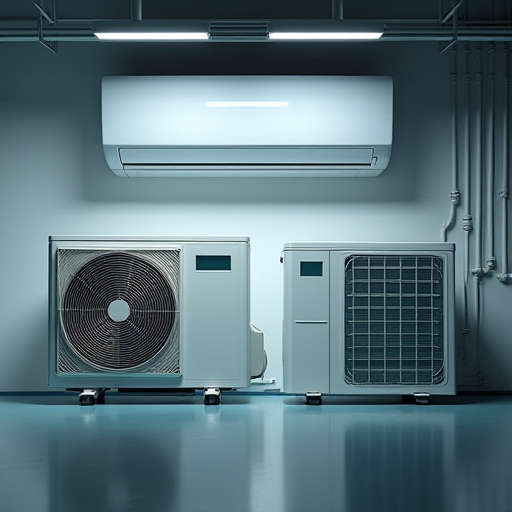
What Are the Hidden Costs of Traditional Air Conditioners?
Ayrıca VRF ve VRV sistemleri nelerdir? Otellerde ve iş guide içeriğinde bu konunun ilgili kısmını detaylıca bulabilirsiniz.
Traditional air conditioning systems rely on fixed-speed compressors that operate at full capacity or shut off entirely. This binary behavior creates several financial and mechanical vulnerabilities that rarely appear on initial purchase invoices.
First, repeated start-stop cycles generate massive inrush currents, driving up peak demand charges from utility providers. These surges not only inflate monthly bills but also accelerate wear on contactors, relays, and capacitor banks. Second, traditional systems suffer from capacity mismatch. When outdoor temperatures fluctuate, fixed compressors cannot modulate output, leading to short-cycling that degrades refrigerant charge stability and increases compressor failure rates. Third, maintenance costs accumulate rapidly. Older units require frequent coil cleaning, fan motor replacements, and refrigerant top-offs due to micro-leaks in rigid piping networks. Finally, zoning limitations force inefficient cooling of unoccupied spaces, creating wasted kilowatt-hours that directly impact net operating income.
How Inverter VRF Technology Eliminates These Financial Leaks
Ayrıca Bir klima alırken inverter teknolojisi neden önemlidir? içeriğinde bu konunun ilgili kısmını detaylıca bulabilirsiniz.
Inverter VRF systems solve these structural inefficiencies through continuous variable-speed compression and precise refrigerant modulation. Instead of cycling on and off, the compressor adjusts its rotational speed in real time to match the exact thermal demand of each connected zone.
This modulation eliminates inrush current spikes, stabilizing electrical loads and dramatically reducing peak demand charges. The system maintains consistent pressure ratios, which preserves refrigerant integrity and extends component lifespan. Additionally, VRF technology supports simultaneous heating and cooling across different zones using a heat recovery mechanism, capturing waste energy from one area to warm another. This cross-zone balancing turns what was once wasted energy into usable capacity, directly improving the building’s overall coefficient of performance (COP).

Financial & Operational Decision Criteria for Facility Managers
Ayrıca İnverter klima nedir? Ne gibi avantajları vardır? guide içeriğinde bu konunun ilgili kısmını detaylıca bulabilirsiniz.
When evaluating whether to replace aging equipment with inverter VRF technology, facility leaders should apply a structured decision matrix rather than relying solely on first-cost estimates.
Evaluate lifecycle cost analysis (LCCA) over a 15-year horizon. Factor in utility rate structures, particularly time-of-use pricing and demand-based tariffs that penalize traditional systems during peak hours. Assess zoning flexibility requirements; buildings with dynamic occupancy patterns benefit immensely from VRF’s independent zone control. Review integration capabilities with Building Management Systems (BMS). Modern VRF controllers offer API-driven monitoring, predictive maintenance alerts, and automated fault detection, reducing manual troubleshooting hours. Finally, calculate the carbon footprint reduction potential, as many municipalities now offer rebates or tax incentives for high-efficiency HVAC upgrades that lower grid strain.
Real-World Constraints and Edge Cases to Consider
Ayrıca Araba Klima Sistemlerinde Gizli Tehlike: Arabanıza Biner içeriğinde bu konunun ilgili kısmını detaylıca bulabilirsiniz.
Despite its advantages, transitioning to inverter VRF requires careful planning around specific technical boundaries.
Installation complexity is the primary constraint. VRF systems demand precise refrigerant line sizing, strict elevation limits between indoor and outdoor units, and specialized brazing techniques to prevent moisture contamination. Retrofitting older buildings often requires reinforcing structural supports for heavier outdoor condensers and upgrading electrical panels to handle controller power draws. Contractor expertise also matters significantly; improper charge verification or incorrect expansion valve calibration can negate efficiency gains. Furthermore, extreme cold climates may require auxiliary heating modules or hybrid heat pump configurations to maintain capacity below freezing temperatures. Always verify manufacturer warranty terms regarding refrigerant type and compressor inverter lifespan before finalizing procurement.

Actionable Steps to Transition from Traditional Systems to VRF
Ayrıca Duvara monte klima cihazlarından sıkılanlar için: Gizli içeriğinde bu konunun ilgili kısmını detaylıca bulabilirsiniz.
Execute a phased migration strategy to minimize operational disruption while maximizing financial returns.
- Conduct a comprehensive load calculation using Manual J or equivalent software to identify undersized or oversized existing equipment.
- Request detailed energy modeling from qualified VRF distributors, comparing projected consumption against current utility data.
- Prioritize high-occupancy zones and spaces with erratic thermal loads for initial VRF deployment to demonstrate rapid ROI.
- Verify contractor credentials, specifically requiring HVAC Excellence certification or manufacturer-specific inverter system training.
- Implement remote monitoring dashboards immediately after commissioning to track real-time COP, refrigerant pressures, and fault codes.
- Schedule quarterly preventive maintenance focused on filter cleaning, electrical connection torque checks, and software firmware updates.
Frequently Asked Questions
Are inverter VRF systems more expensive to repair than traditional air conditioners?
Repair costs are generally lower over time due to fewer moving parts and reduced mechanical stress. When components do fail, diagnostic tools pinpoint exact faults quickly, minimizing labor hours. Replacement modules are standardized, though specialized technician training is required.
Can VRF technology work effectively in extreme climates?
Yes, modern inverter compressors maintain cooling capacity down to -15°F (-26°C) and heating output up to 122°F (50°C). Heat recovery models also balance indoor loads efficiently regardless of outdoor temperature swings.
How does VRF impact building zoning flexibility?
VRF allows independent temperature control for up to 64 indoor units per outdoor system. This granular zoning eliminates thermal conflicts, improves occupant comfort, and prevents energy waste in unoccupied rooms.
What maintenance schedule minimizes long-term downtime?
Biannual filter cleaning, annual electrical inspection, quarterly refrigerant line insulation checks, and continuous firmware monitoring reduce unplanned failures by over 70%. Automated fault alerts enable proactive intervention before system degradation occurs.
Conclusion
- Traditional air conditioners incur substantial hidden costs through peak demand penalties, frequent mechanical failures, and rigid zoning inefficiencies that erode long-term profitability.
- Inverter VRF technology delivers measurable financial returns by modulating compressor speed to match exact thermal loads, eliminating start-stop energy spikes.
- Lifecycle cost analysis consistently favors VRF upgrades, with operational savings typically recovering initial capital investment within three to five years.
- Facility managers must evaluate electrical infrastructure capacity, contractor expertise, and BMS integration capabilities before committing to system transitions.
- Phased implementation, precise load calculations, and continuous performance monitoring ensure smooth adoption while maximizing energy efficiency gains.
- Strategic HVAC modernization transforms cooling expenses from fixed liabilities into optimized operational assets that support sustainable building management goals.
Quick Answer
Core approach for Hidden Costs of Traditional Air Conditioners vs. The Profitability of Inverter VRF Technology.: planning clearly, measuring consistently, and optimizing iteratively.
Additionally, this approach supports consistency over time. On the other hand, regular analysis accelerates improvement.