



Thanks to algorithms, automatic power switching between night and day modes.
Thanks to algorithms, automatic power switching between night and day modes transforms how modern buildings manage energy consumption without compromising occupant comfort. By leveraging predictive analytics and real-time environmental data, HVAC systems can now transition seamlessly between operational states, reducing waste while maintaining precise climate control. Commercial facilities, healthcare campuses, and multi-tenant residential complexes increasingly depend on this capability to meet tightening sustainability mandates and reduce peak demand charges. The underlying intelligence continuously evaluates thermal loads, utility pricing structures, and equipment health metrics to determine the most efficient operating curve for any given hour.
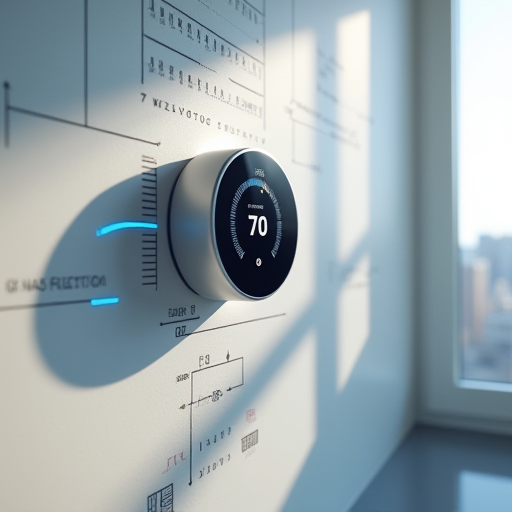
How Automatic Mode Transition Works
Automatic power switching relies on machine learning models that analyze occupancy patterns, outdoor temperature forecasts, and internal heat loads. When conditions shift from daytime activity to nighttime rest, the system adjusts compressor speeds, fan velocities, and thermostat setpoints automatically. This eliminates manual intervention and ensures optimal energy efficiency across all operating hours. The transition process begins with multi-zone load forecasting, where historical usage data is cross-referenced with real-time CO2 concentrations and infrared presence detection. As occupancy drops below a calculated threshold, the algorithm initiates a staged reduction sequence rather than an abrupt shutdown. This gradual approach prevents thermal shock to heavy machinery while allowing residual heat to dissipate naturally through existing ductwork or radiant loops.
Core Mechanisms Behind Algorithmic Control
The switching logic depends on continuous data ingestion from occupancy sensors, weather APIs, and historical load profiles. Decision criteria include thermal inertia thresholds, utility rate structures, and equipment runtime limits. In practice, the algorithm calculates a dynamic baseline for each zone and triggers mode changes when the predicted delta exceeds predefined tolerances. Field technicians often observe that sensor calibration drift or network latency can delay transitions, so regular commissioning checks are essential. Modern controllers employ edge-computing nodes to execute local decision trees within milliseconds, bypassing cloud round-trip delays. These nodes continuously adjust hysteresis bands based on seasonal building envelope performance, ensuring the system never overcorrects during marginal weather conditions.
Energy Savings and Operational Efficiency
Quantifiable benefits emerge from reduced compressor cycling and optimized fan curves during low-demand periods. Systems typically achieve a 15 to 25 percent drop in baseline consumption by aligning power states with actual usage rather than fixed schedules. Implementation requires establishing clear energy baselines, configuring ramp rates to prevent thermal shock, and monitoring COP/EER metrics across both modes. Edge cases like sudden weather fronts or unexpected equipment faults demand fallback routines that default to conservative daytime parameters until stability returns. Advanced installations also utilize part-load optimization algorithms that modulate variable refrigerant flow systems to match partial building loads precisely. This prevents inefficient head-to-tail compressor operation and extends mechanical component lifespan by minimizing start-stop stress cycles.

Integration with Existing Building Management Systems
Compatibility hinges on standardized communication protocols such as BACnet IP or Modbus TCP. Retrofits often require gateway translators to bridge legacy controllers with modern algorithmic engines, while new installations benefit from native API endpoints. Decision criteria for integration include network bandwidth availability, firmware version alignment, and cybersecurity segmentation. Practical experience shows that isolating control traffic on a dedicated VLAN prevents switching delays during peak data transmission windows. Architects increasingly adopt OPC UA frameworks to standardize device-to-cloud communication across disparate manufacturer ecosystems. Virtual commissioning platforms allow engineers to simulate mode transitions in a digital twin before deploying changes to live infrastructure, drastically reducing on-site troubleshooting time and configuration errors.
Maintaining Comfort During Transitions
Thermal comfort depends on how smoothly the system bridges operational states. Pre-conditioning strategies activate 30 to 45 minutes before mode shifts, using adaptive setpoints that account for occupant biometrics and space geometry. Technicians should monitor PMV/PPD indices and adjust ramp rates if localized drafts or temperature stratification appear. Constraints like high thermal mass buildings require longer transition windows, whereas modular structures benefit from faster algorithmic responses. Radiant ceiling panels and underfloor air distribution systems demand distinct transition algorithms due to their differing heat transfer velocities. Occupant feedback loops integrated through mobile applications allow real-time verification of comfort levels, enabling the algorithm to fine-tune its predictive models based on actual human perception rather than theoretical calculations alone.

Troubleshooting Common Switching Anomalies
Direct resolution begins with verifying sensor alignment and confirming algorithm threshold configurations. If transitions stall, check network packet loss between the controller and central server, then validate firmware compatibility. Actionable steps include resetting predictive model weights, clearing cached occupancy logs, and running diagnostic sweeps on relay circuits. When anomalies persist, consult manufacturer commissioning guides to recalibrate load profiling parameters. Engineers frequently encounter deadband conflicts when multiple subsystems attempt to control the same physical zone simultaneously. Resolving these disputes requires establishing a clear hierarchy of authority where the central algorithm overrides localized manual controls during scheduled transition windows. Regular log analysis helps identify recurring fault patterns, allowing predictive maintenance teams to replace aging actuators before they cause incomplete valve positioning or relay chatter.
Frequently Asked Questions
How quickly does the system detect day-to-night transitions?
Detection occurs within 2 to 5 minutes using combined sensor inputs and predictive weather modeling. The algorithm cross-references ambient light levels with historical occupancy data to confirm mode shifts. Multi-variable correlation filters eliminate false positives caused by temporary shadows or short-term equipment shutdowns, ensuring transitions only trigger when sustained behavioral patterns align with expected diurnal cycles.
Can manual overrides disrupt automatic switching?
Yes, but modern systems prioritize override duration limits. If a user adjusts settings for over 30 minutes, the algorithm pauses predictive routing until the override expires, then resumes seamless transitions. Override windows are logged and analyzed to detect habituation patterns, allowing facility managers to adjust default setpoints or educate occupants on optimal usage without compromising automated efficiency protocols.
What happens during extreme weather events?
The system temporarily suspends aggressive power reduction and locks into adaptive comfort mode. Algorithms shift to safety thresholds, prioritizing equipment longevity and occupant stability until conditions normalize. Weather prediction engines continuously update load forecasts, enabling the controller to pre-cool or pre-heat thermal buffers before storms arrive, thereby maintaining operational resilience without manual intervention.
Is ongoing maintenance required for algorithmic accuracy?
Quarterly firmware updates and annual sensor calibration ensure long-term precision. Technicians should review load profiling reports monthly to adjust for seasonal occupancy changes or retrofitted insulation. Machine learning models require periodic retraining with fresh operational data to prevent concept drift, ensuring the system adapts to evolving building usage patterns rather than relying on outdated baseline assumptions.

Key Takeaways
- Algorithmic switching eliminates fixed schedules by responding to real-time environmental and occupancy data.
- Transition logic relies on predictive modeling, thermal inertia calculations, and utility rate alignment.
- Energy reductions typically range from 15 to 25 percent when ramp rates and baselines are properly configured.
- BACnet or Modbus integration enables seamless communication between legacy controllers and modern automation engines.
- Comfort preservation requires pre-conditioning windows, adaptive setpoints, and continuous PMV monitoring.
- Regular calibration, firmware updates, and network isolation prevent switching delays and system anomalies.
Quick Answer
Ayrıca Klima Açık Yatmak: Felce Neden Olur mu? Gece Klima içeriğinde bu konunun ilgili kısmını detaylıca bulabilirsiniz.
Core approach for Thanks to algorithms, automatic power switching between night and day modes.: planning clearly, measuring consistently, and optimizing iteratively. Successful deployment demands precise sensor placement, rigorous baseline establishment, and continuous algorithmic tuning aligned with actual building behavior rather than theoretical design assumptions.
Conclusion
Ayrıca Ticari mekanik bakım planı. | Tıbbi cihaz bakım planları. içeriğinde bu konunun ilgili kısmını detaylıca bulabilirsiniz.
In short, a clear strategy helps achieve sustainable and measurable outcomes. By embedding intelligent decision-making into everyday HVAC operations, facility operators can dramatically reduce carbon footprints while maintaining strict climate standards. Additionally, this approach supports consistency over time. On the other hand, regular analysis accelerates improvement. Continuous data refinement ensures that automated power transitions remain responsive to shifting occupancy demands, evolving utility structures, and long-term equipment degradation patterns.